





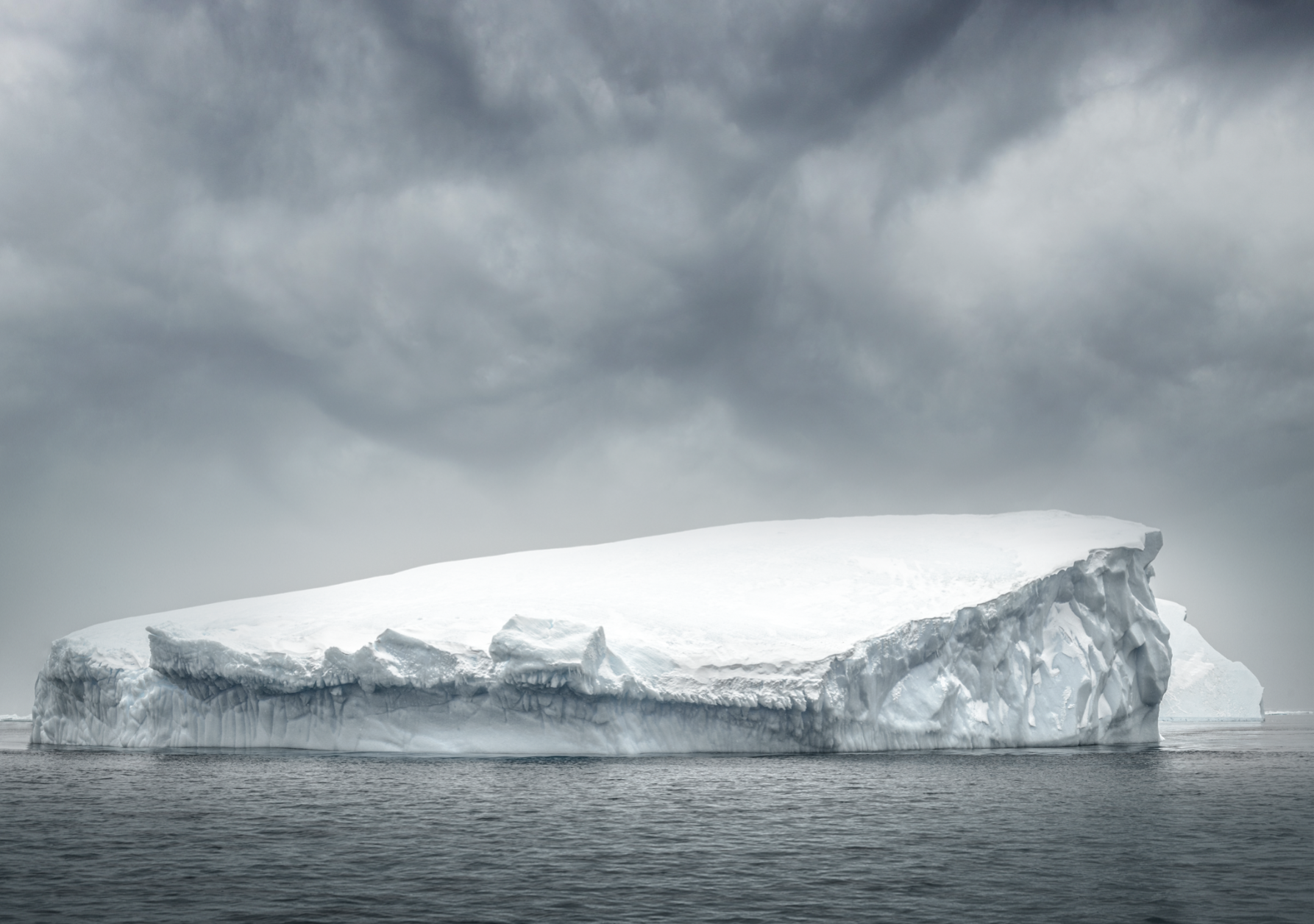

The Architecture of Silence
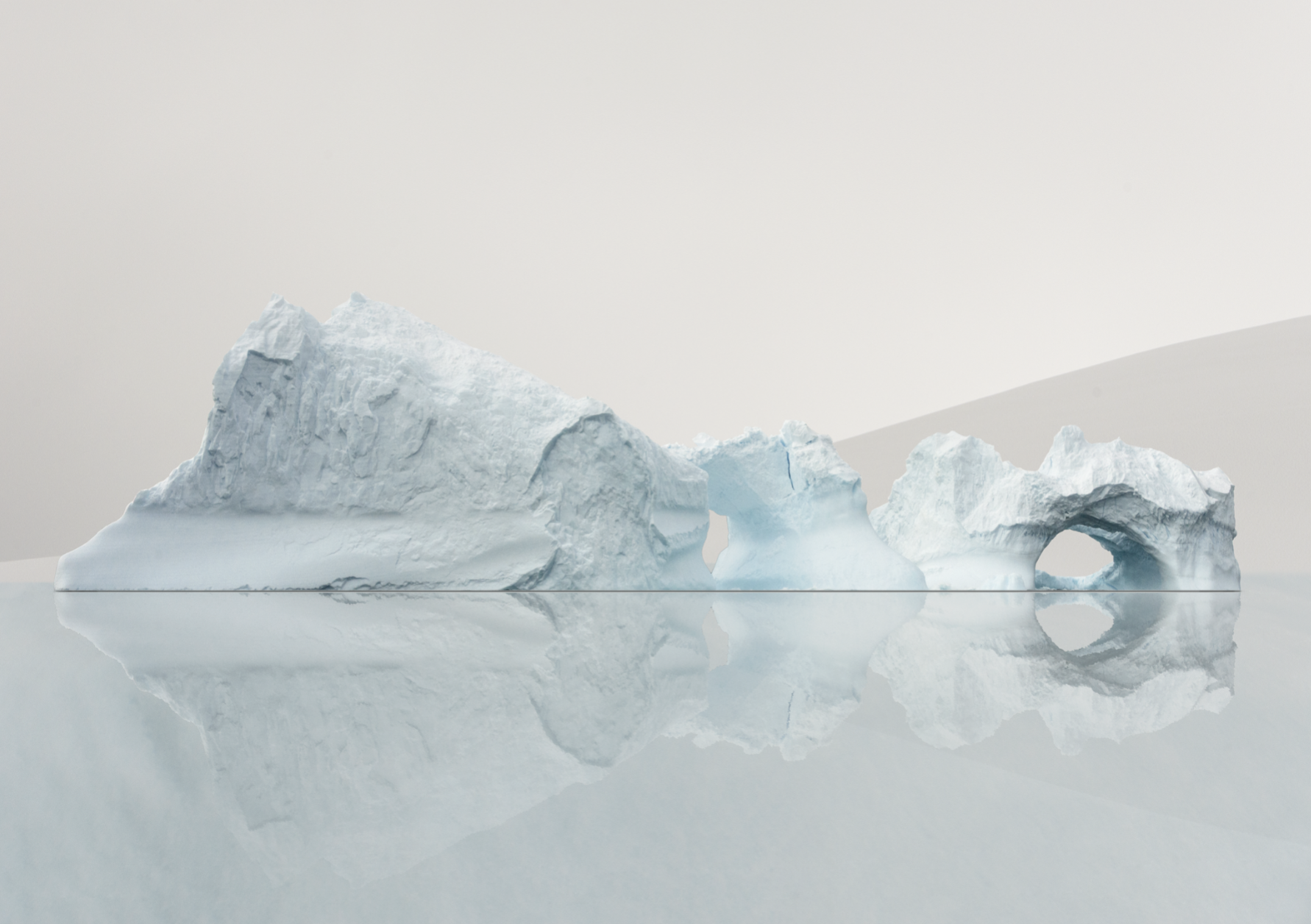
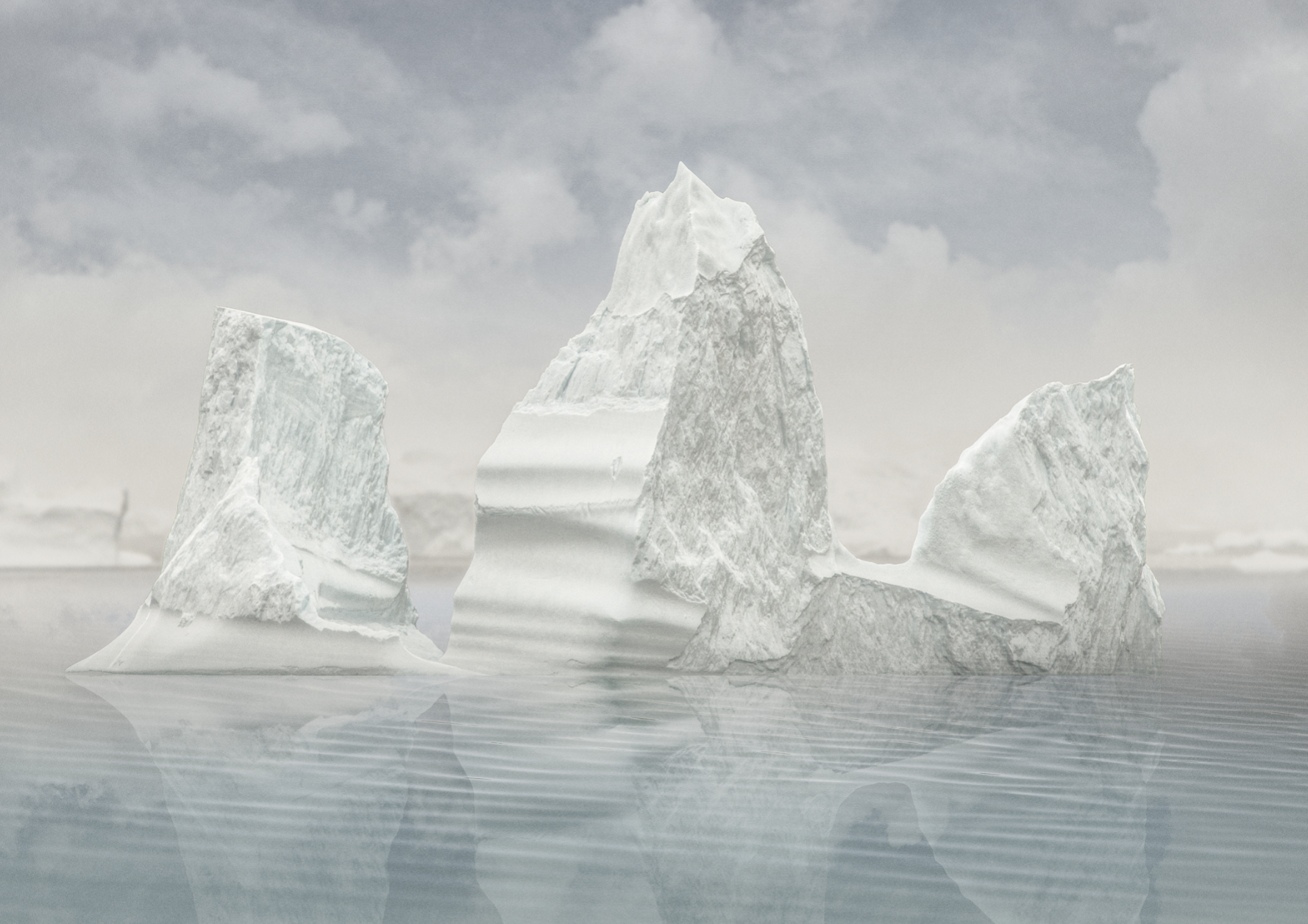
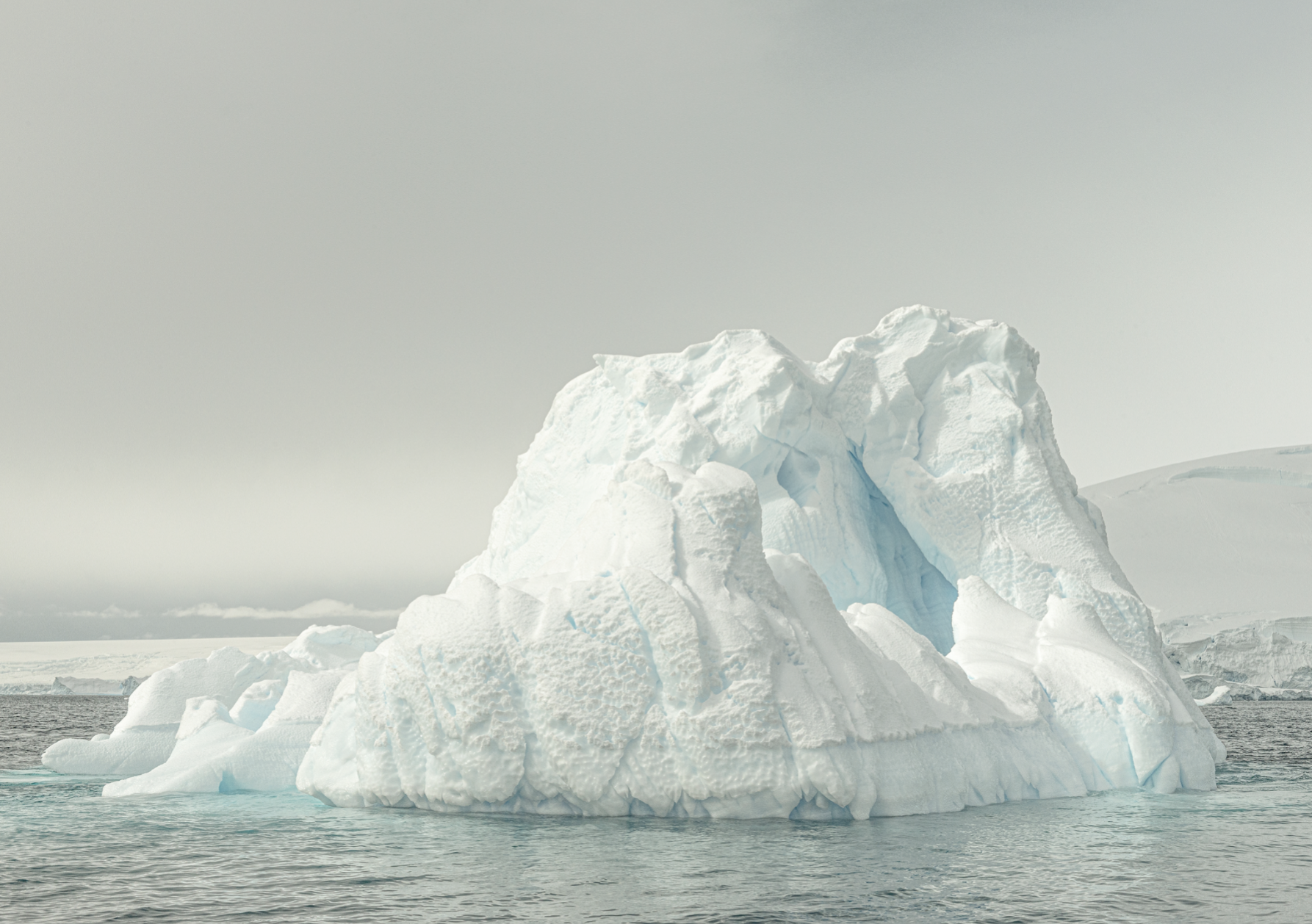
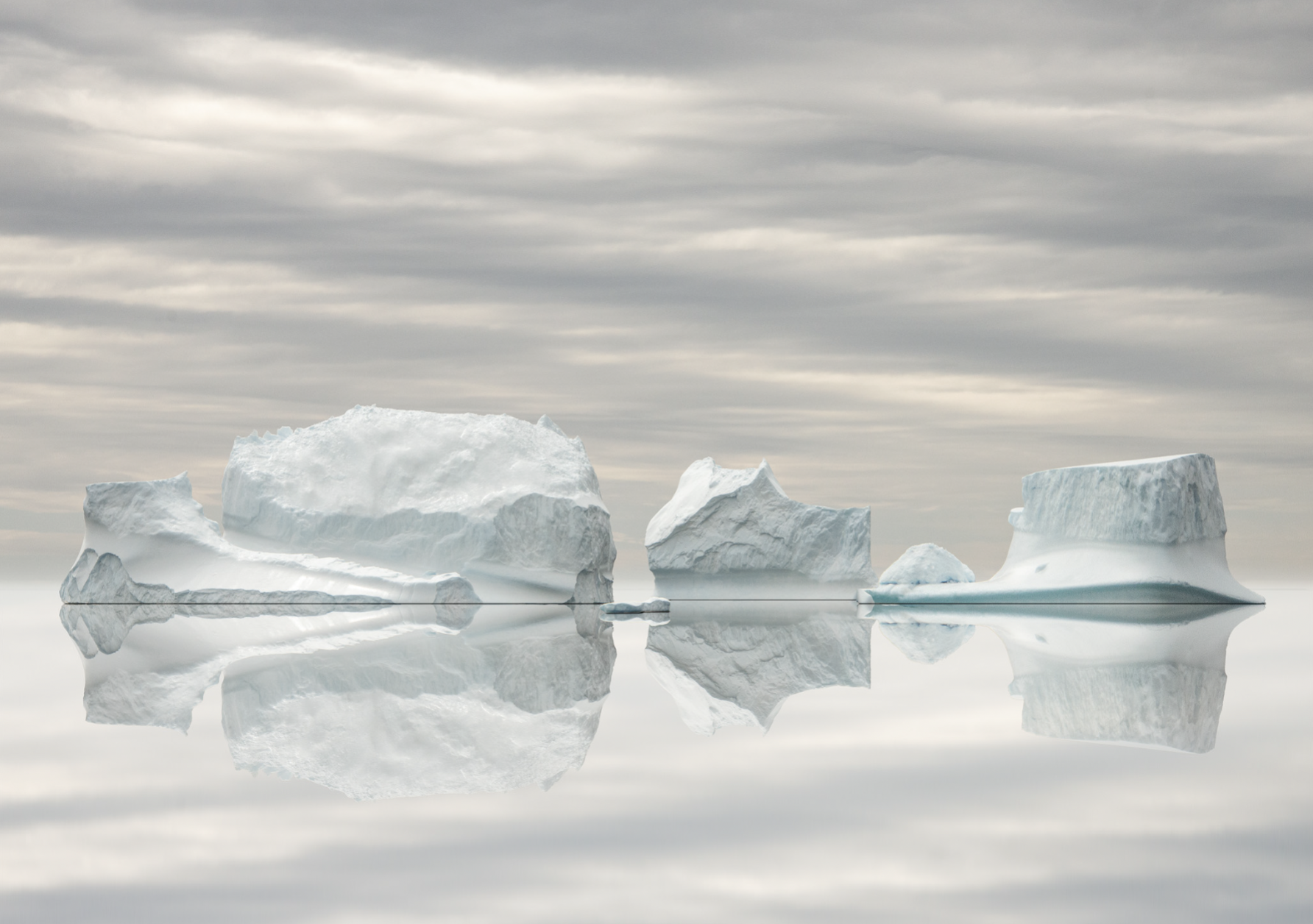
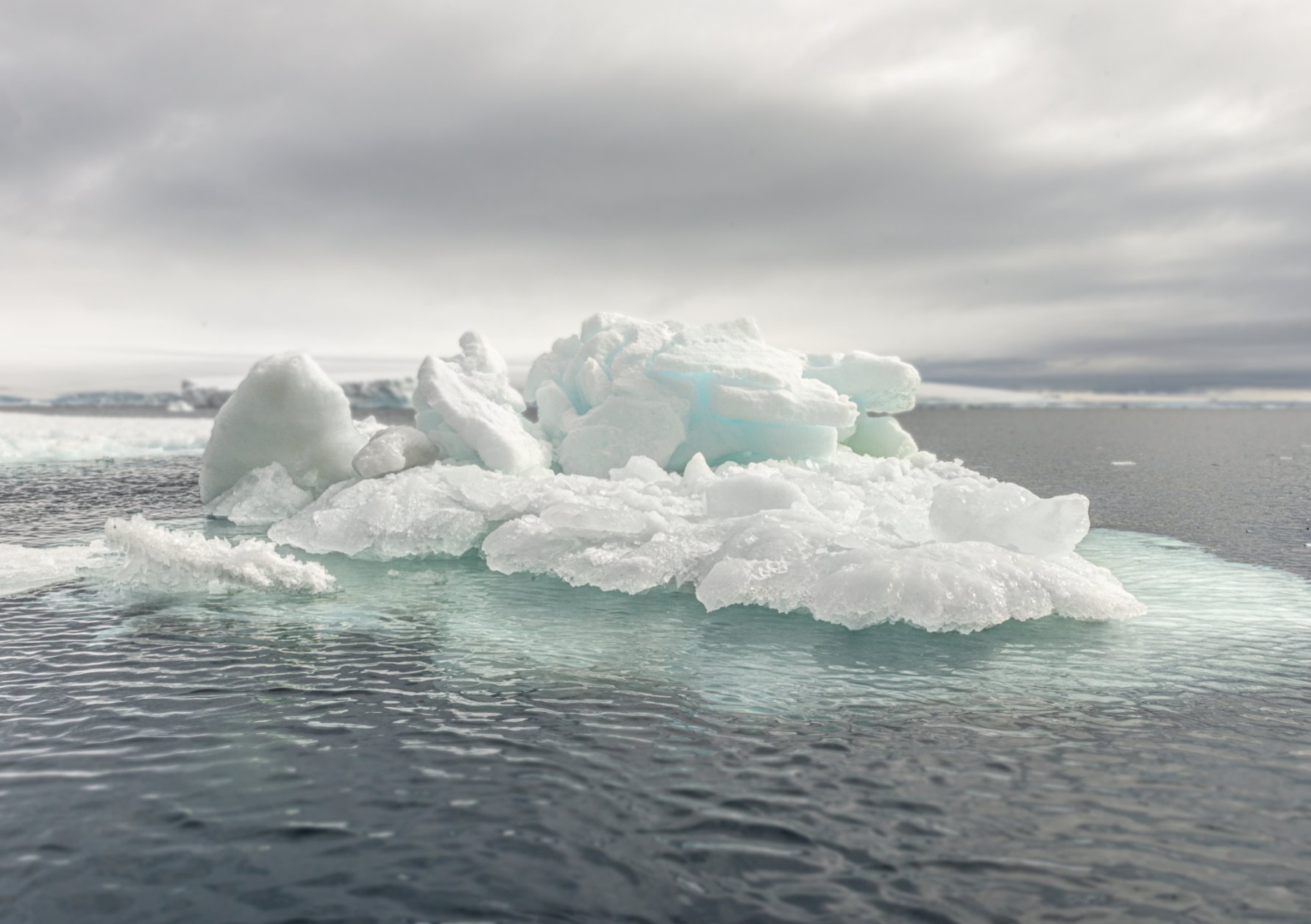
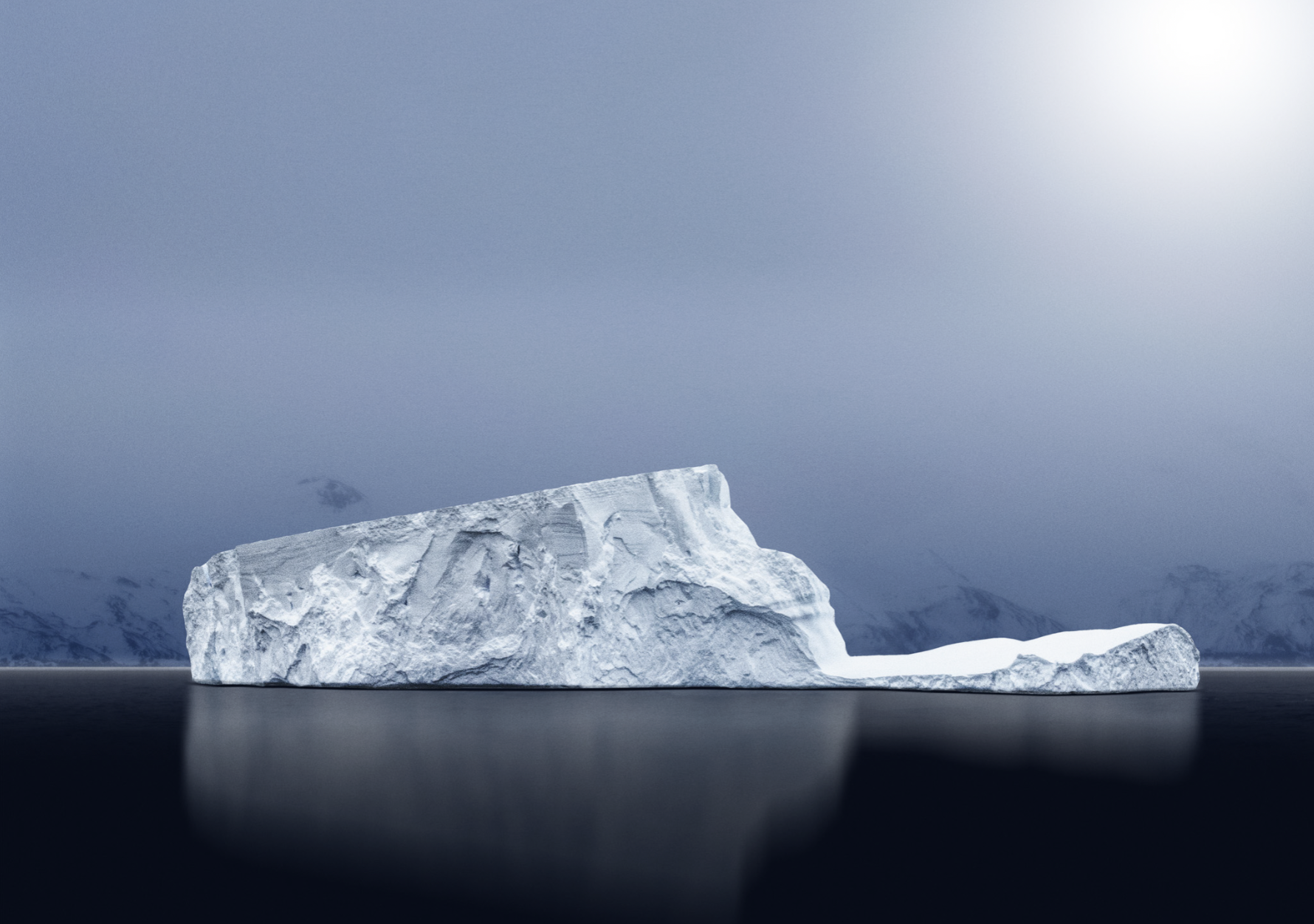
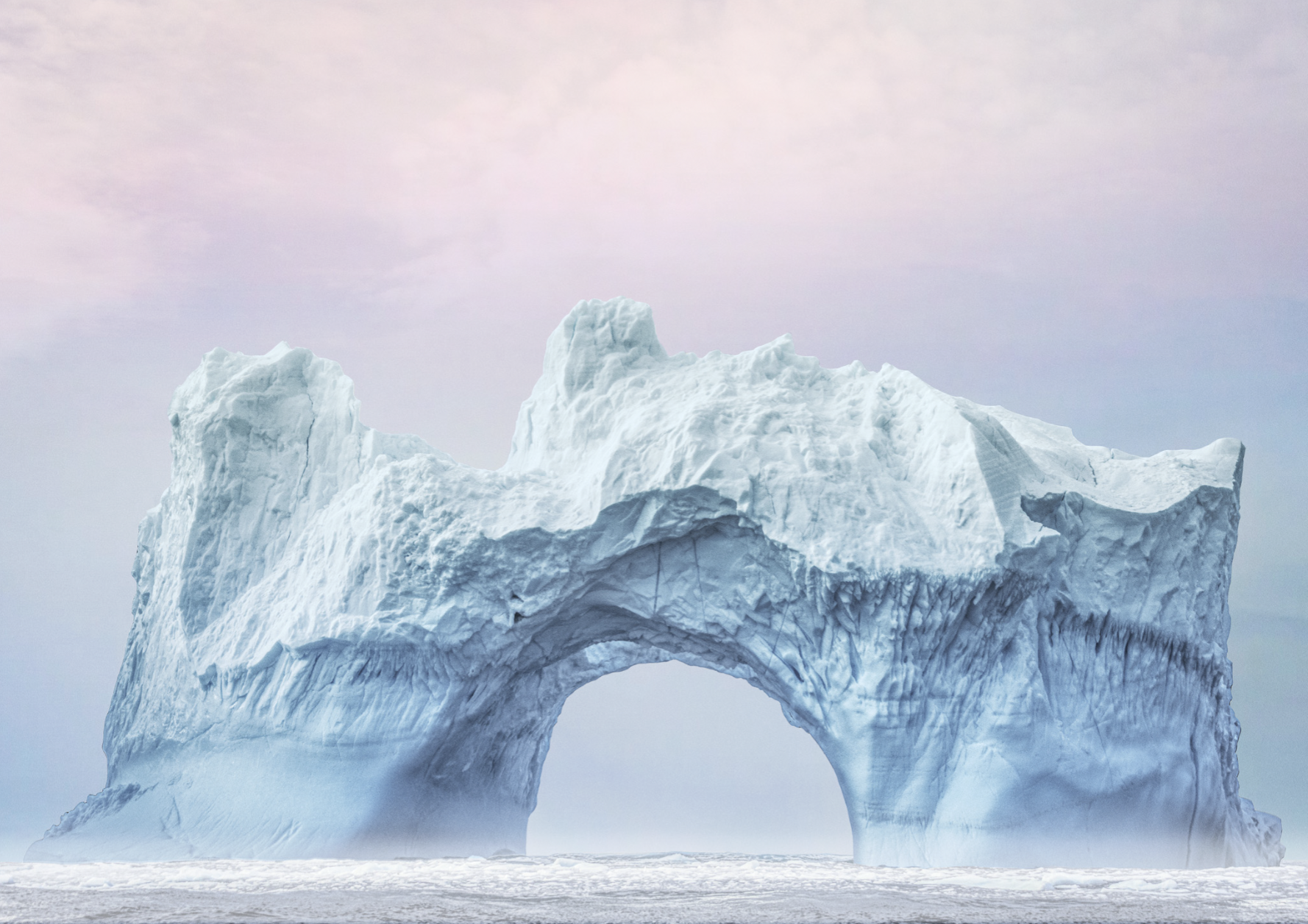
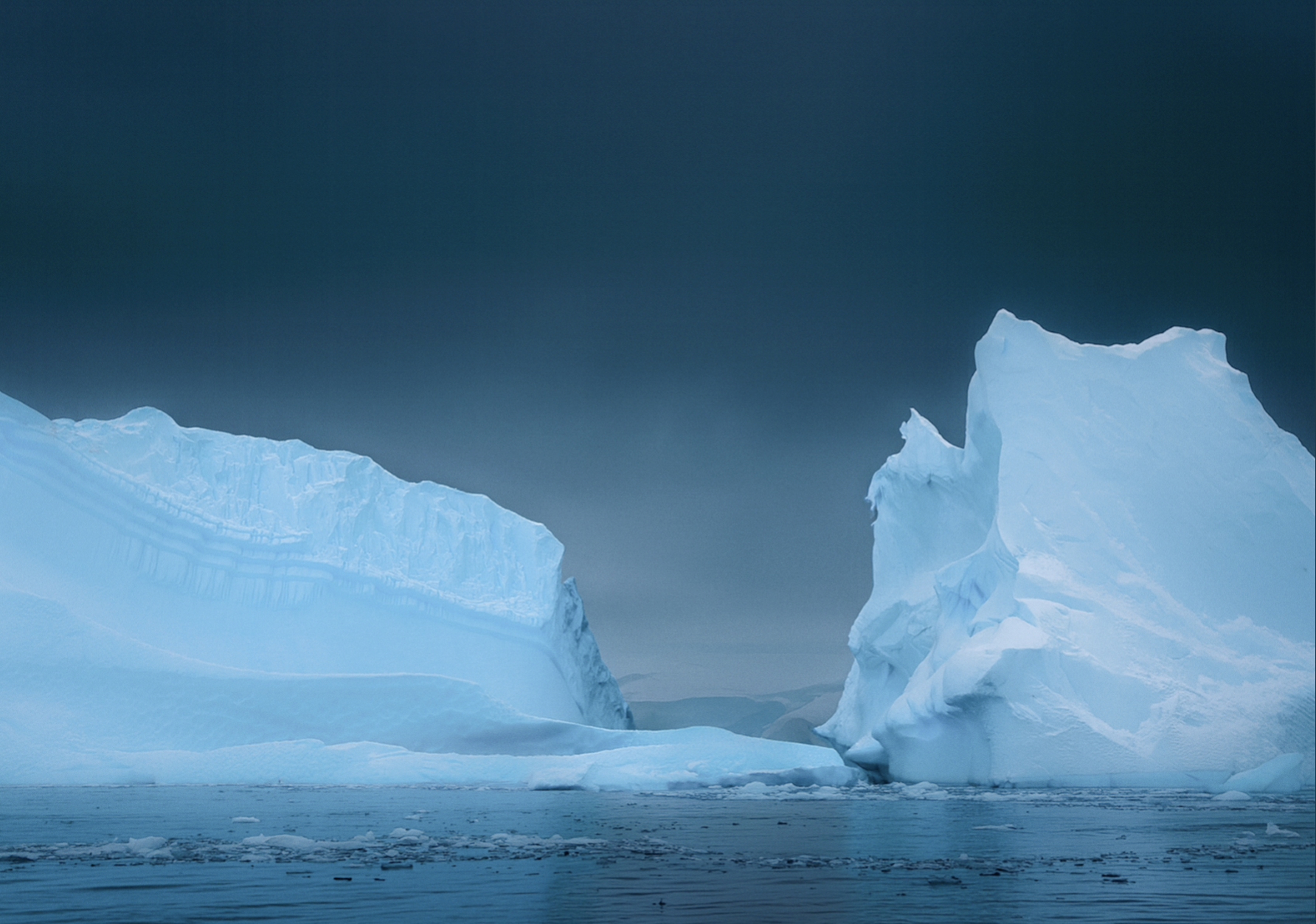
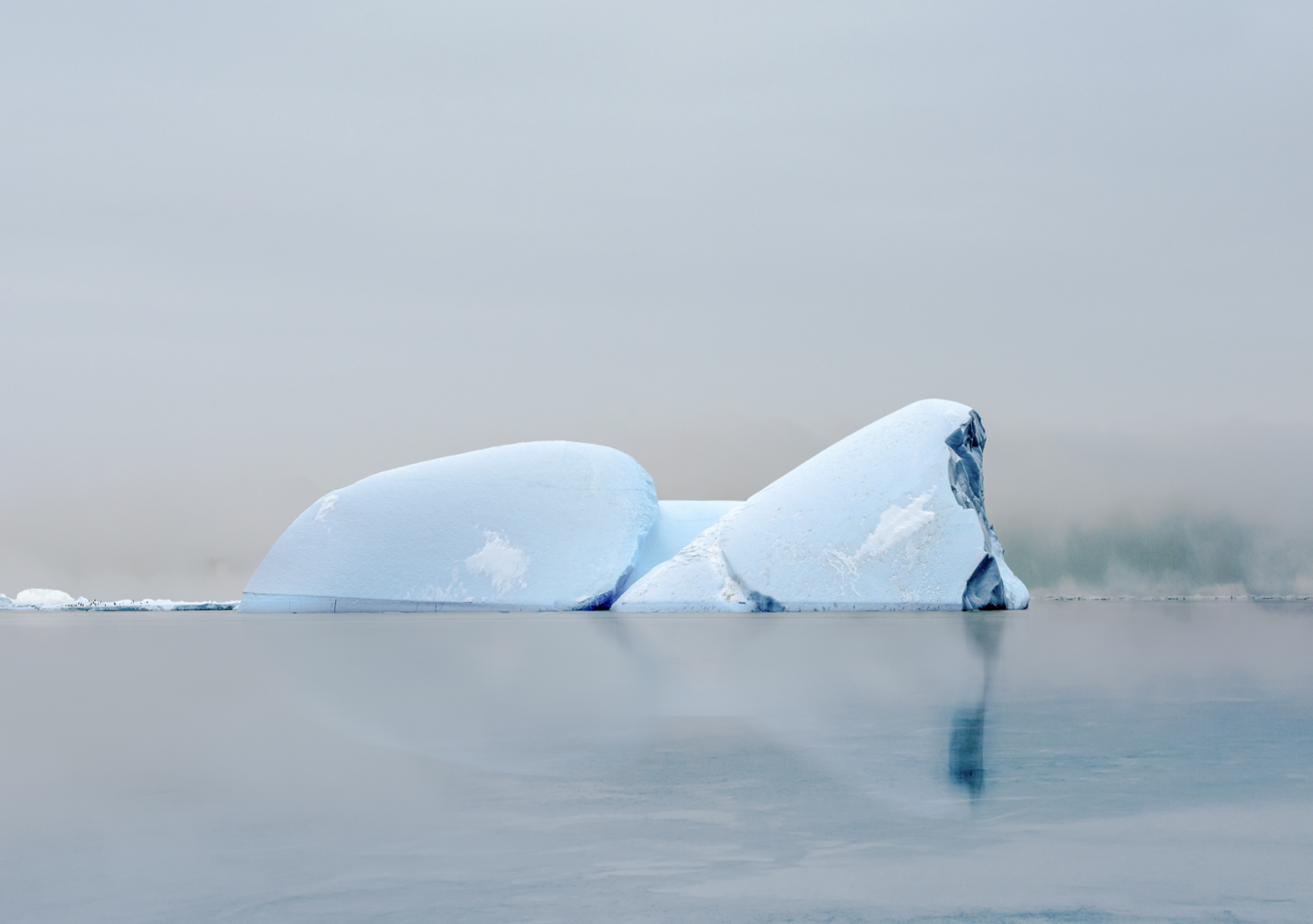
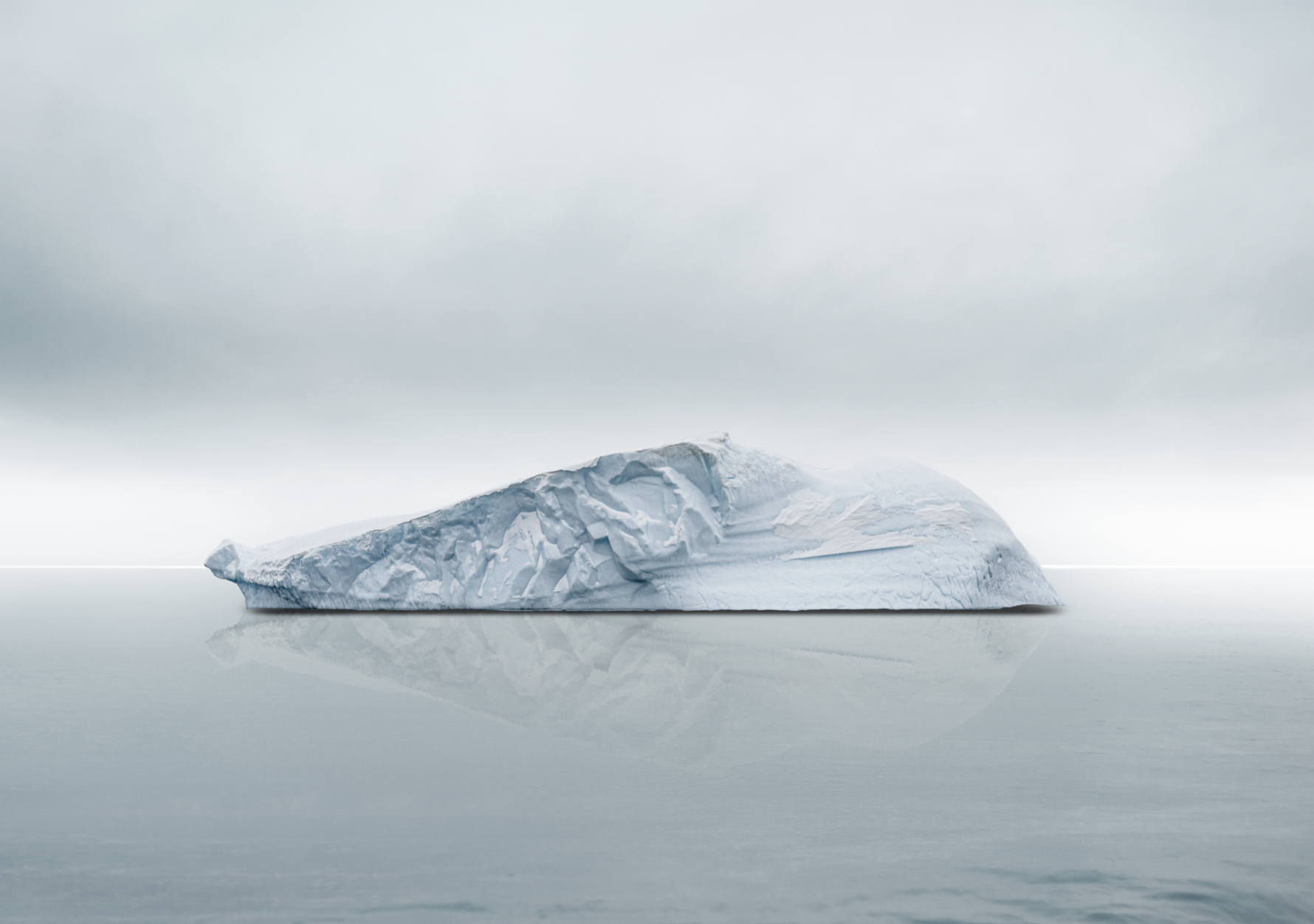
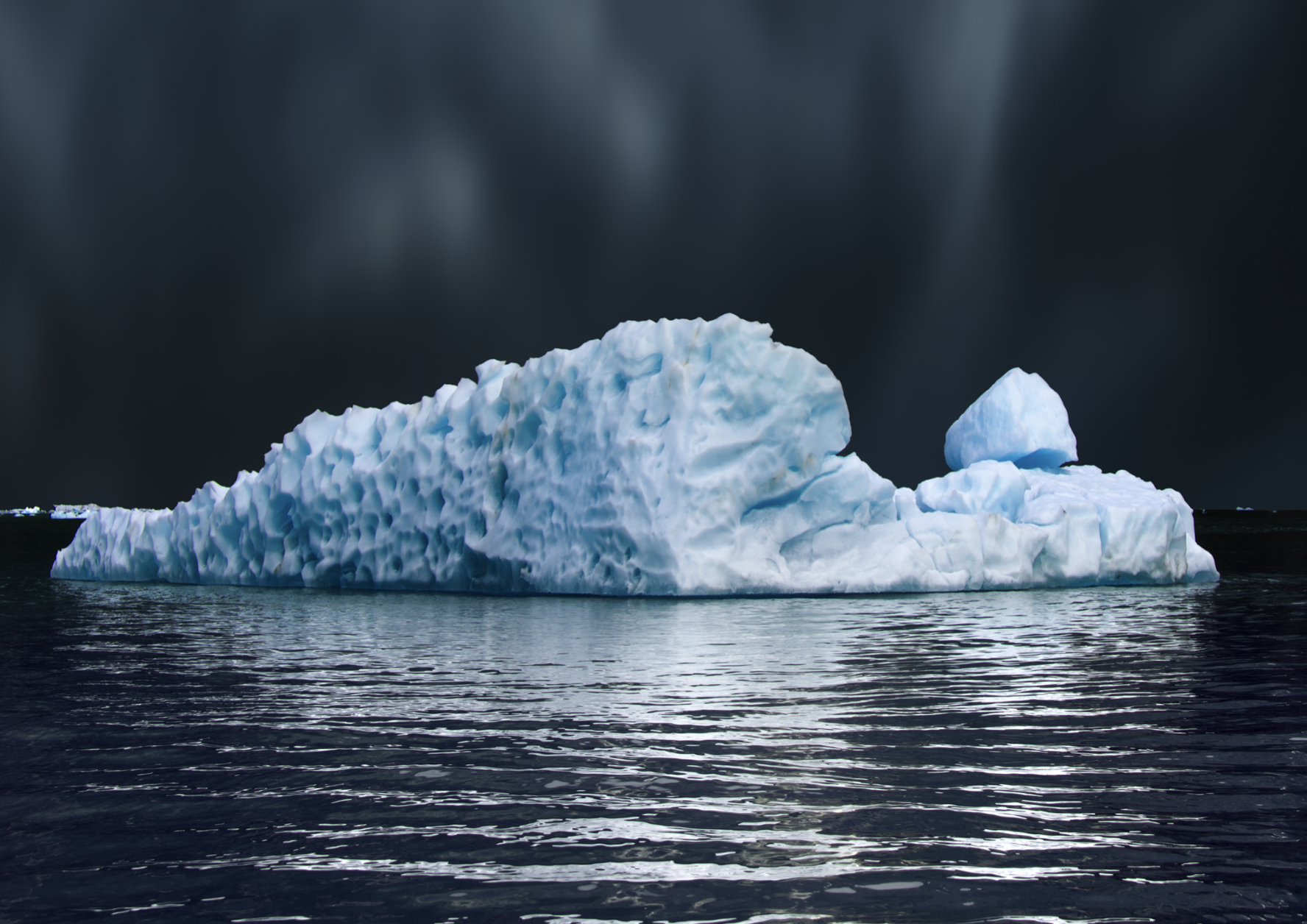
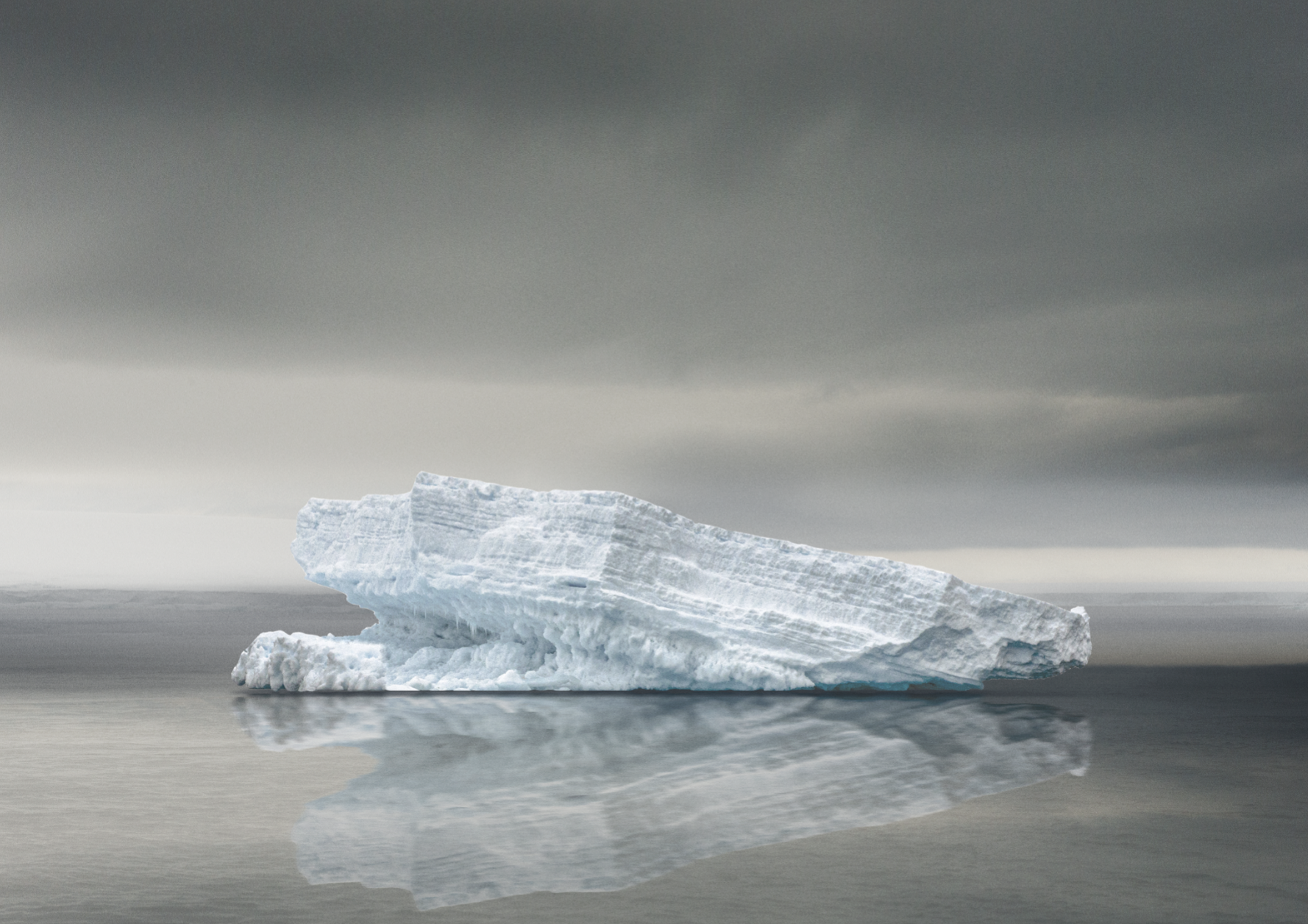
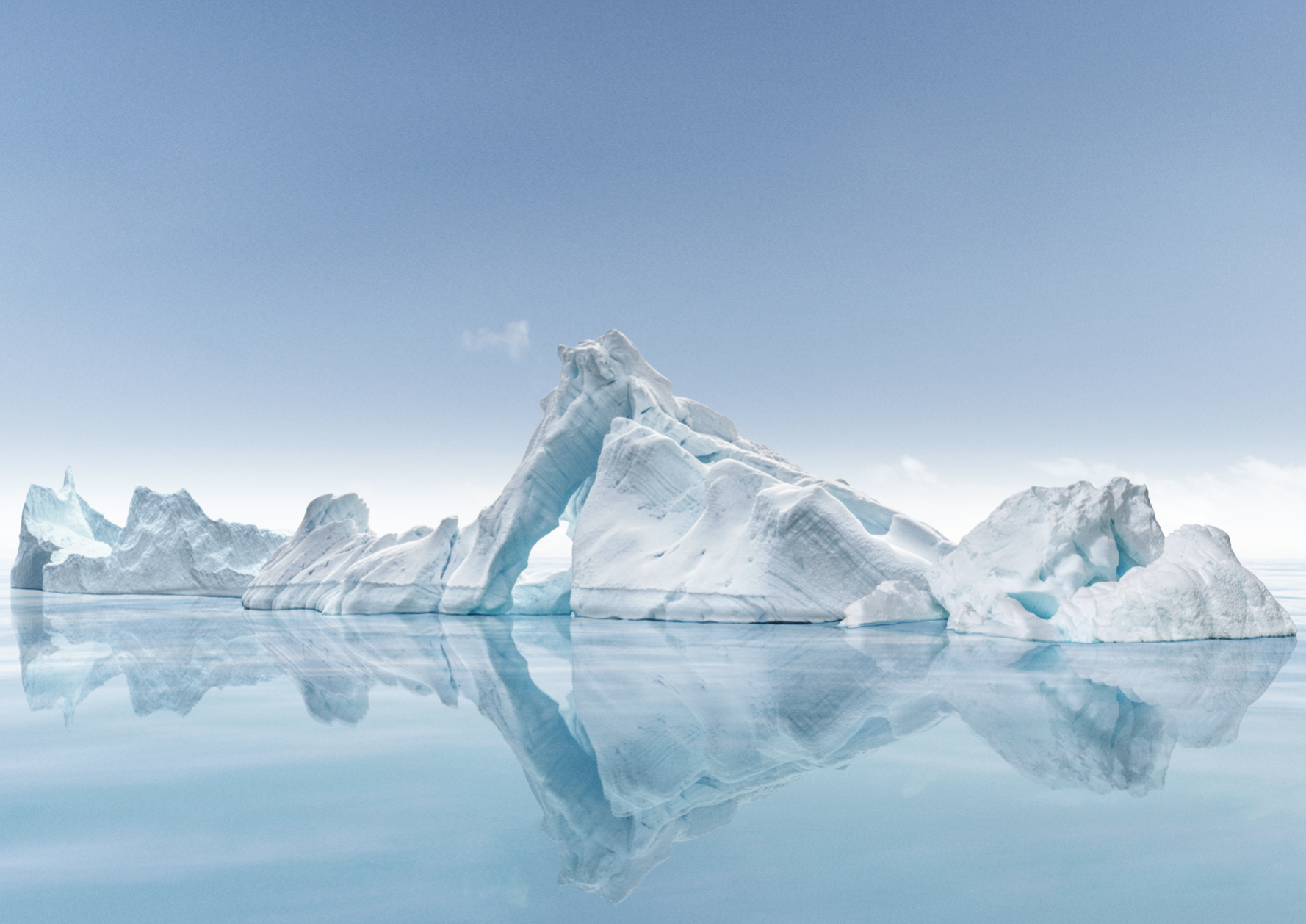
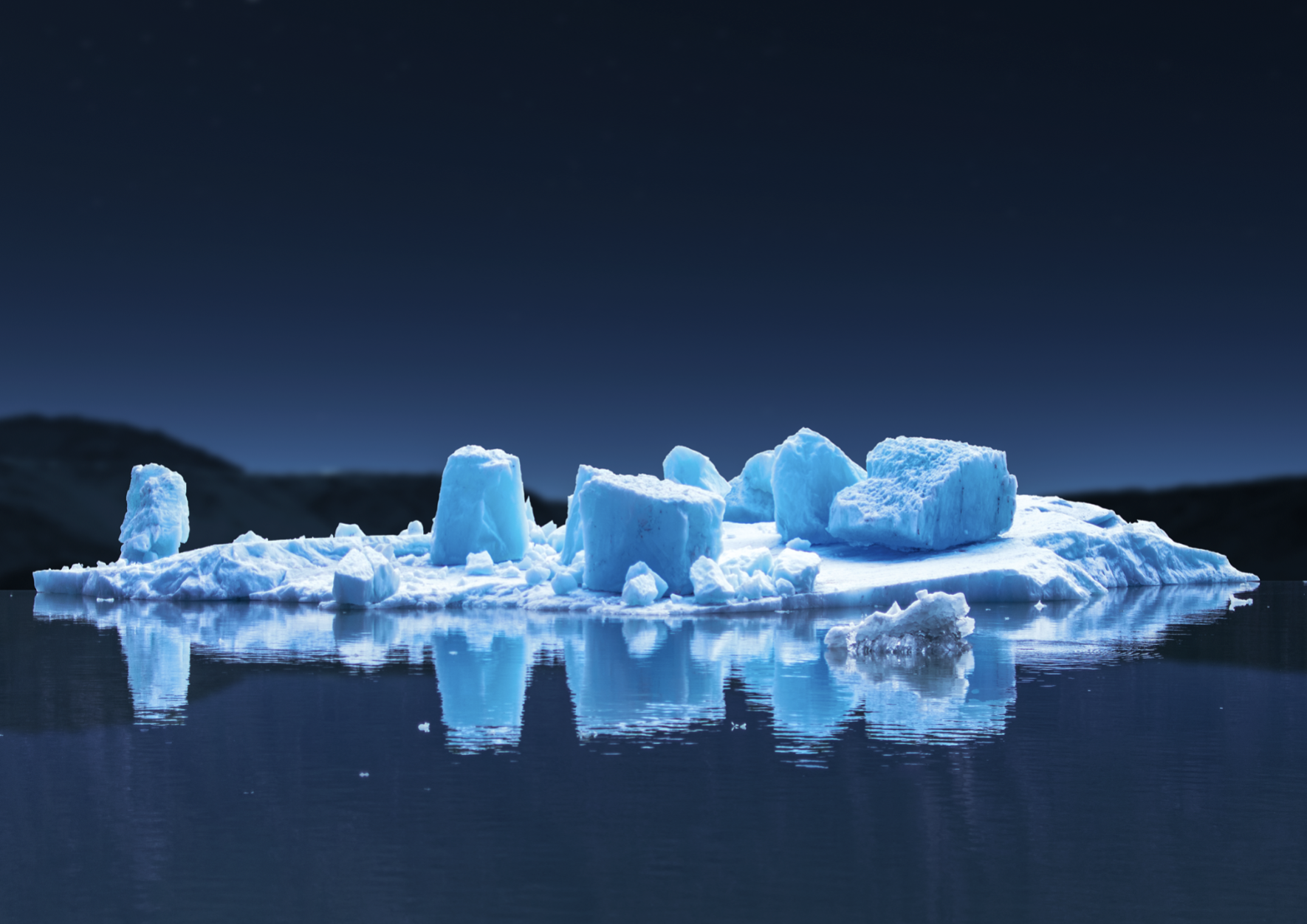
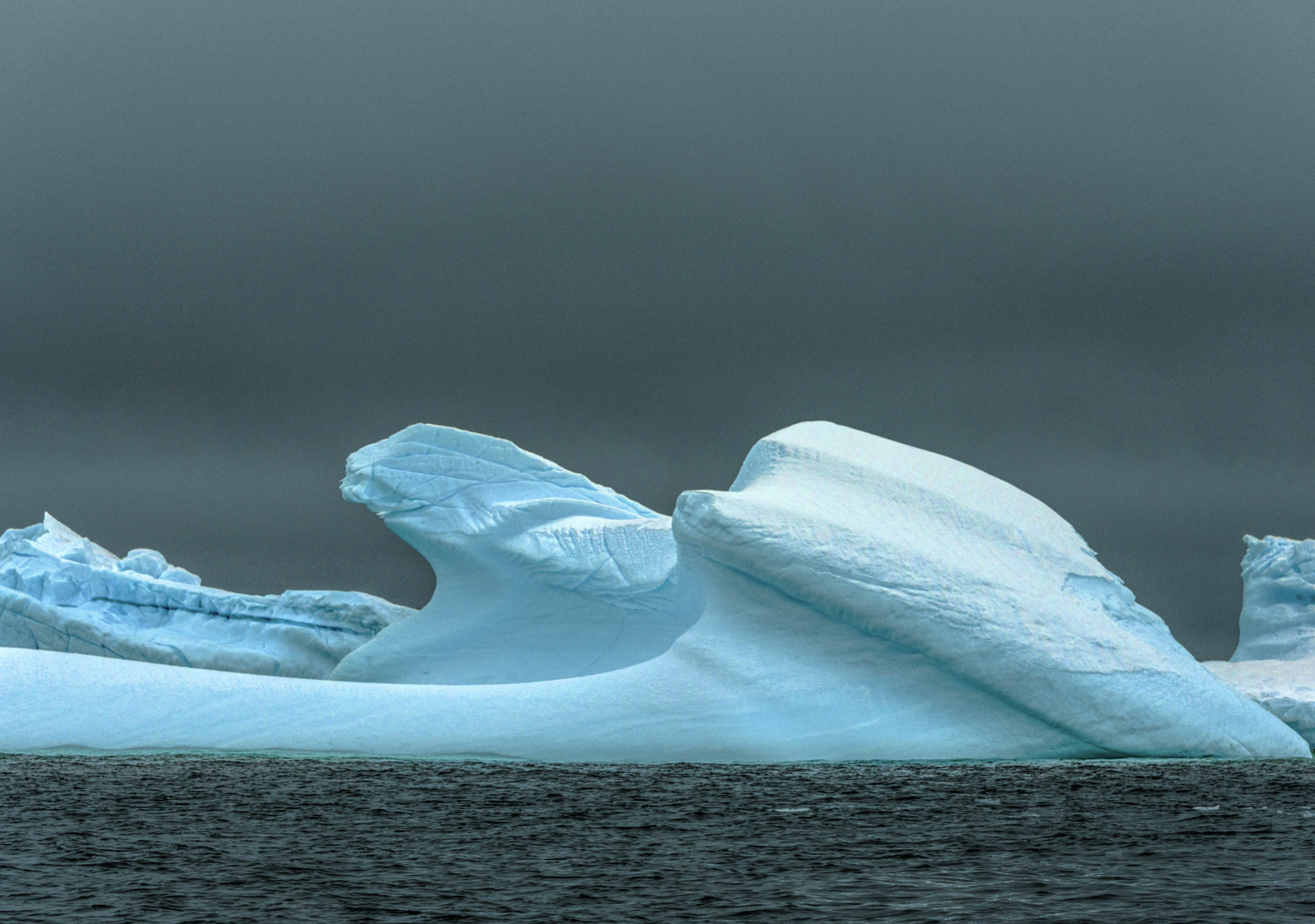
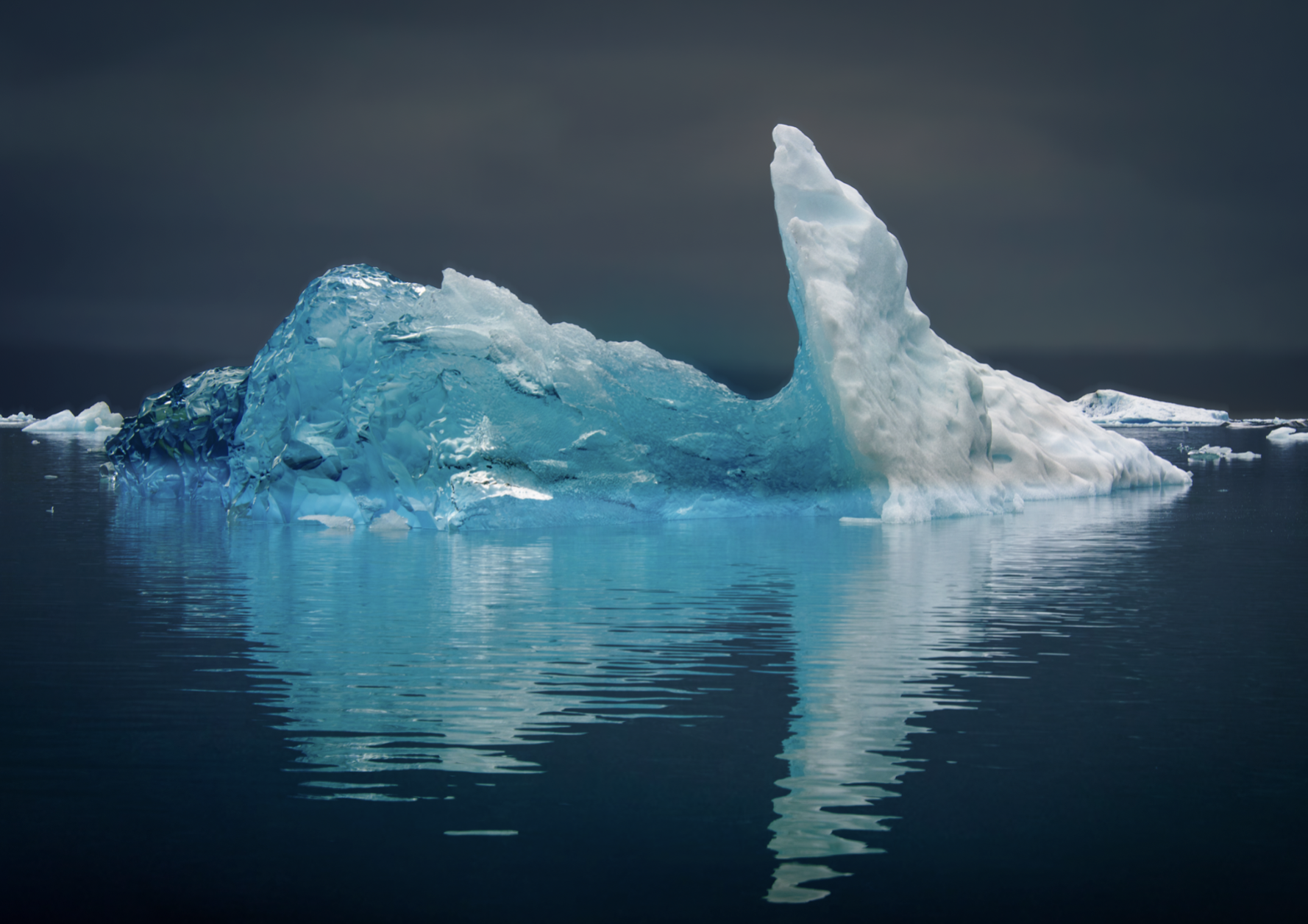
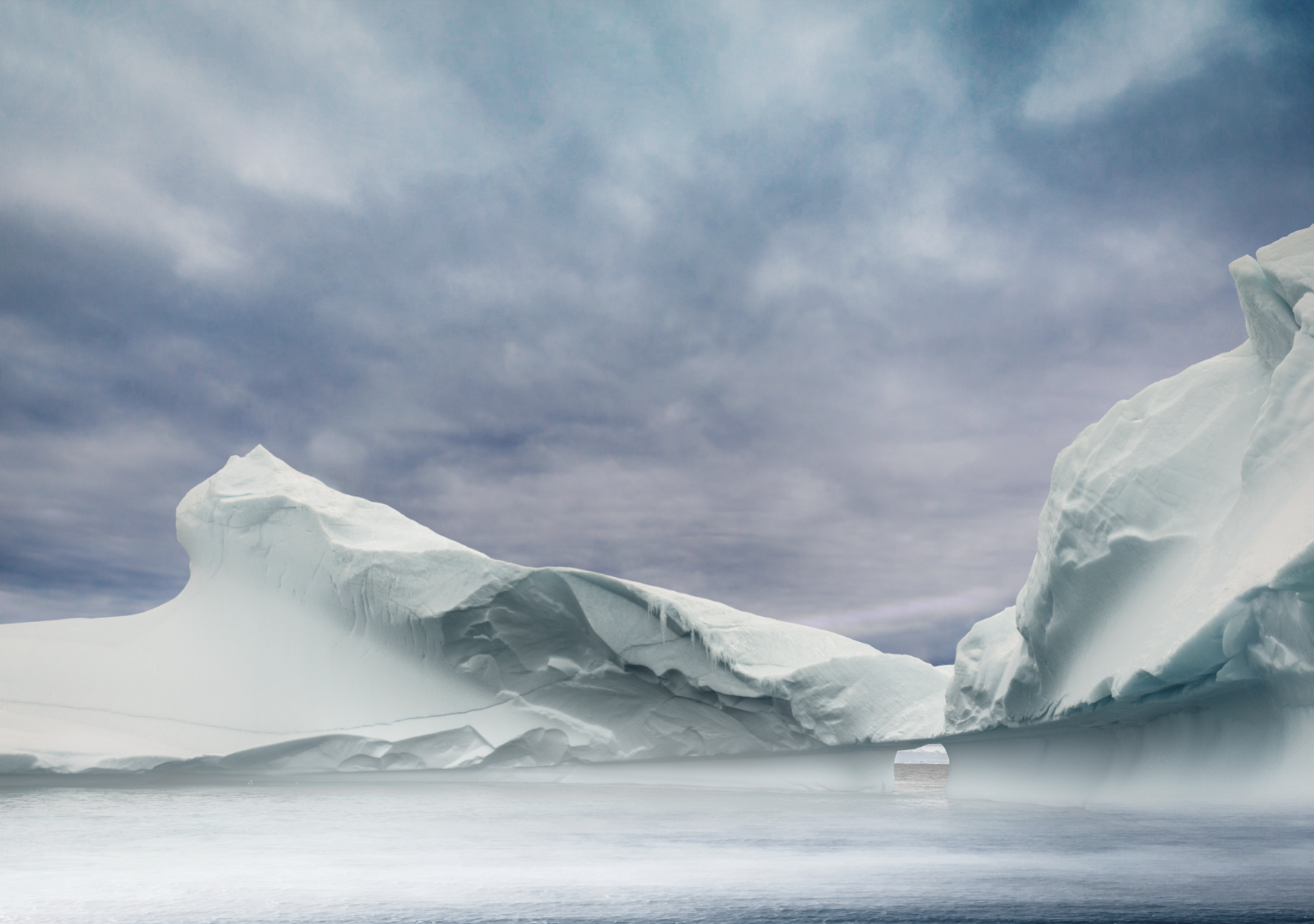
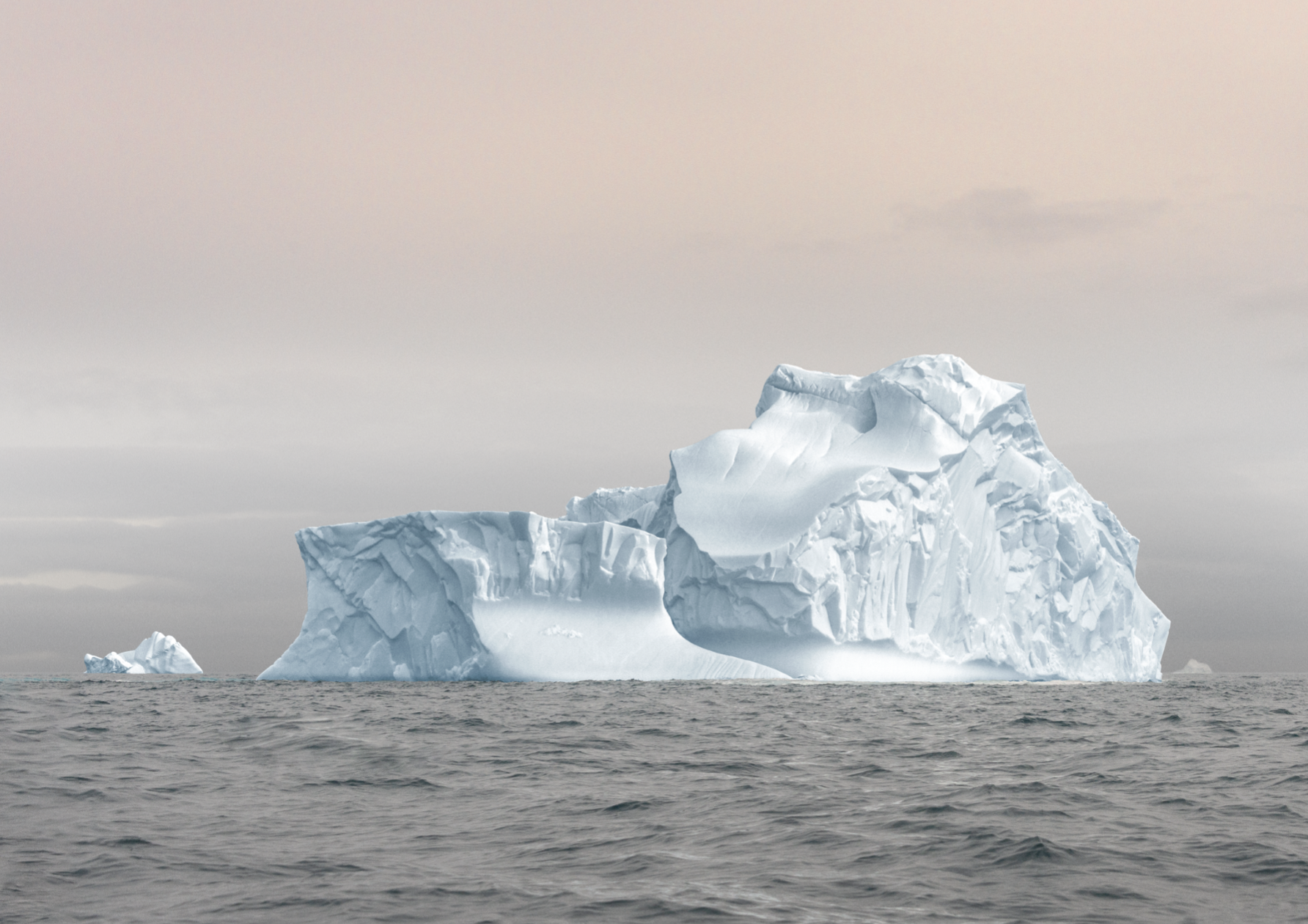
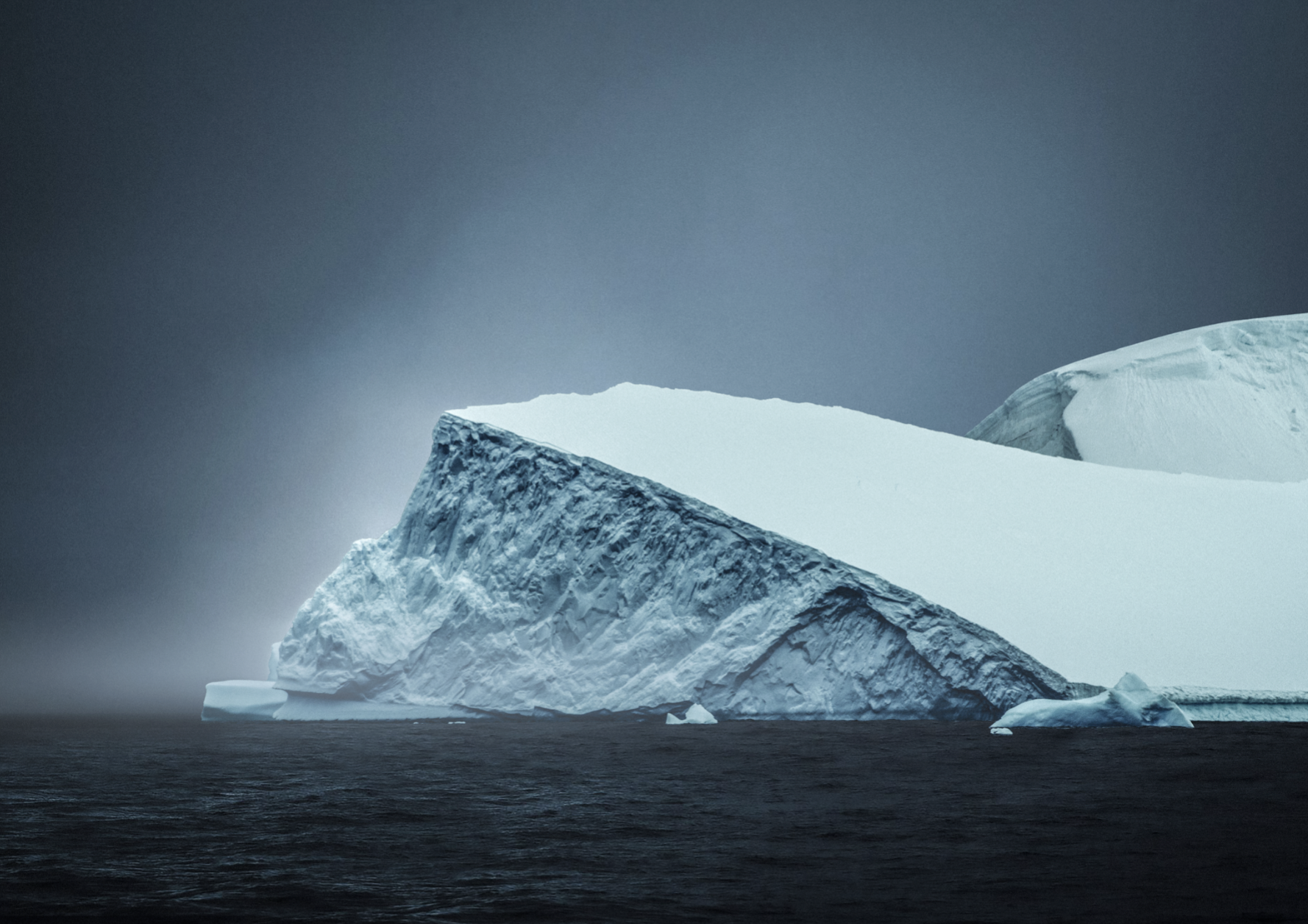
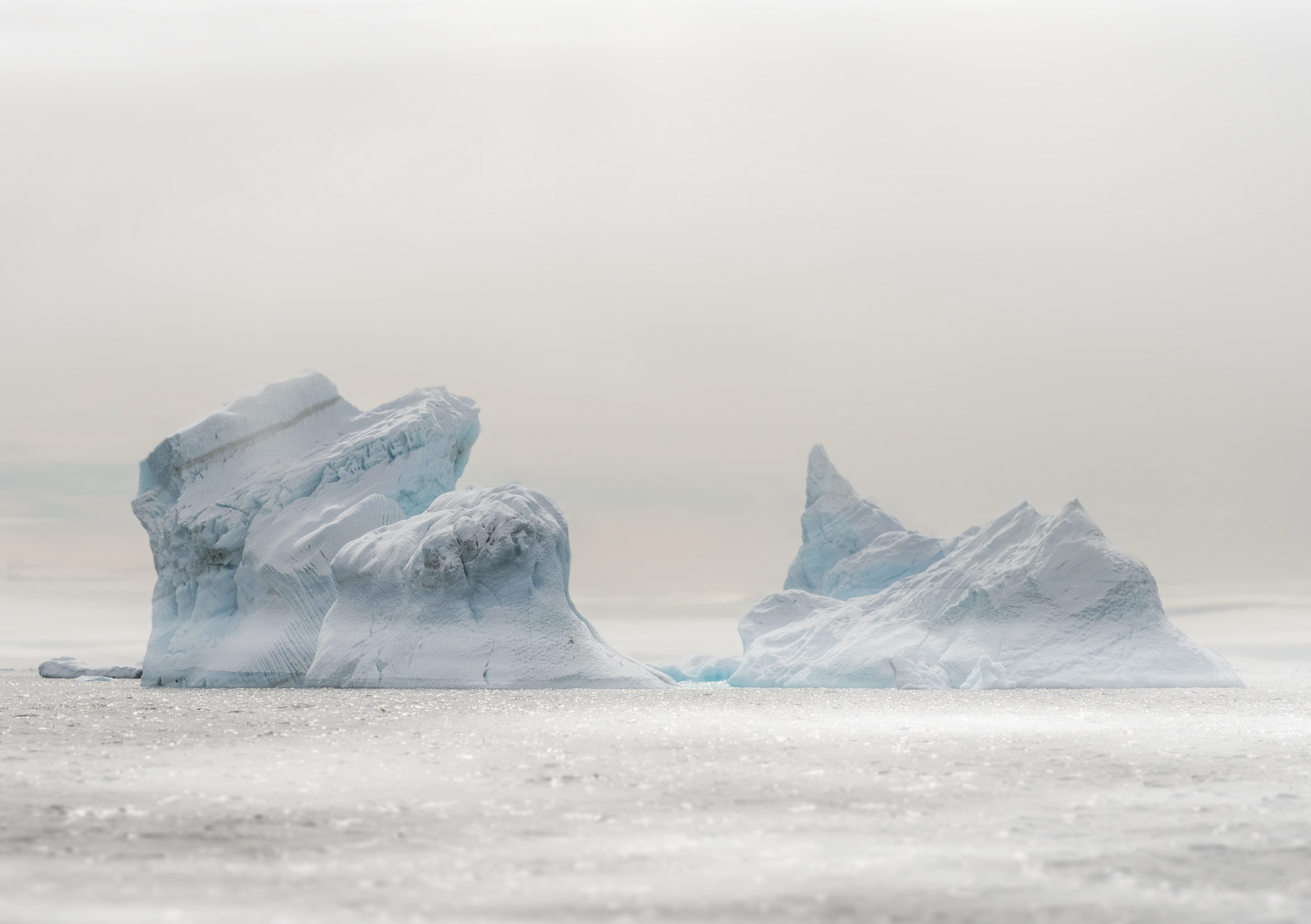
In Antarctica, silence has a physical form. Icebergs rise from the Southern Ocean like fragments of an ancient world, monuments sculpted by pressure, wind, water and time. Fossils of the frozen continent, they carry within their layers the memory of ancient snowfalls and atmospheres long vanished. Their fissures and striations are inscriptions; their extraordinary blues, light held within ice.
This is a landscape that has witnessed humanity arriving at the very edge of the world. Amundsen, Scott and Shackleton ventured into this immense whiteness in wooden ships, crossing seas and ice that seemed to belong to another age. They came and went; the frozen continent endured. Shackleton understood its strange hold. “We had seen God in His splendours, heard the text that Nature renders.”
There is something of that same reverence in these photographs. I see the icebergs as architecture, cathedrals without architects, immense structures created over time and destined ultimately to disappear. They appear eternal, yet from the moment they break free from the continent they have begun their final journey. The Architecture of Silence is about that paradox: permanence and impermanence, memory and disappearance.
The ice has no voice, keeps no written history and erects no monuments to those who passed through it. It simply bears witness. And perhaps that is what makes Antarctica so profound. In the presence of something so ancient and so immense, human time becomes very small. These icebergs are fossils of time, suspended for one brief moment between continent and ocean, silent witnesses to a world that existed long before us and will continue, in some form, long after we are gone.